
Sports are a connecting force, allowing for enjoyment, physical activity, and community building. Billions of people around the world enjoy sports, both watching and playing. Whether it is watching LeBron James dunk the ball in the NBA, or going to the local park to kick a soccer ball around, sports bring a fun aspect to life. However, nothing is perfect. There is always risk associated with athletic activity. LeBron James’ back injury that sidelined him for multiple months this year, devastated his fans. A simple day at a soccer field can lead to a sprained ankle, torn ligament, or broken bone. Injuries are a persistent concern for athletes and can change games, seasons, or even careers at any moment.
The field of sports medicine focuses on the treatment of athletic injuries. It encompasses surgical and non-surgical methods of treatment. As time has gone on, the medical industry has improved, and sports medicine is no different. New innovations and therapies have been developed in order to improve the outcomes for athletes at all levels and to minimize the risk and effect of injuries.
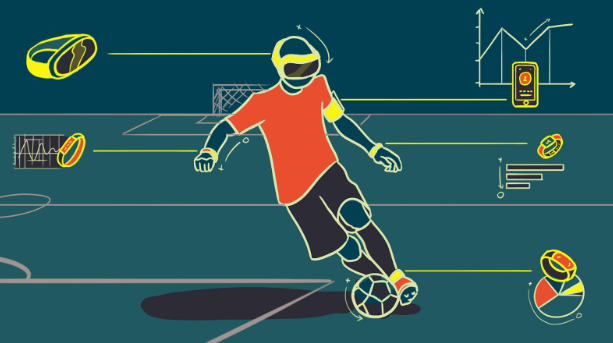
Developments in medical technology are making waves in the sports medicine field. The new and growing technology of artificial intelligence is being put to use. As a result, researchers at the University of Miami Miller School of Medicine have looked into wearable devices for athletes which can relay data to AI systems, and therefore advise on rehabilitation and treatment. For example, the device would be able to analyze factors like which leg an athlete favors to determine potential issues. According to the researchers, creating a treatment plan for an injured athlete can take over a month, but with the help of such technology it is done in ninety seconds (Gomez).
Further developments in rehabilitation have been prominent, with new therapeutic systems being used. Handheld massage guns are becoming more commonplace; they help with soreness, blood flow, and recovery. Cryotherapy chambers, chambers of very low temperatures, speeds up muscle recovery. Hyperbaric chambers, chambers of high pressure that provide oxygen, help with tissue healing and blood oxygen levels. Modern electrotherapy devices stimulate muscles, better blood flow, and give pain relief. Developments in telemedicine, or remote medical care through technological programs, also allow for increased, convenient care given to athletes improving recovery (Davies). Regenerative medicine, which is treating injuries with natural oxidants, reduces inflammation and speeds up tissue healing. This helps with sprains, muscle injuries, and ligament injuries, all of which are common in athletics. New methods are reducing the need of invasive treatments like drugs and surgery for athletes: ultrasound-guided injections, extracorporeal shockwave therapy and Stem Cell Therapy offer alternatives for athletes with chronic musculoskeletal pain (Hill).
Preventing injury is just as important as treating injury. In recent years, nutrition and genomics have vastly improved. Custom diets can be made based on athlete genetics, and the proper supplements can be provided. This helps metabolic needs, improving health and performance for athletes. Innovations in diagnostic and prevention technology contribute to the improvements in sports medicine as well. Smart equipment, such as helmets with sensors, provide data that can be analysed to determine risk of injury. Imaging technology, including MRI and X-ray scanners, are continuously being improved to provide better imaging of injuries. This makes it easier to locate, determine, and therefore treat injuries (Davies).
All in all, vast improvements in injury prevention, detection, and treatment contribute to the field of sports medicine. Modern technology helps combat the risks and effects of injuries on athletes. As more research is done and new innovations are made, sports medicine will continue to improve, giving athletes less to worry about when performing.
Works Cited:
Davies, E. (2024, July 16). Top 5 Advances in Sports Medical Tech in 2024. Meetlifesciences.com; Meet Recruitment. https://www.meetlifesciences.com/media-hub/blog/top-5-advances-in-sports-medical-tech-in-2024/
Gomez, A. (2024, September 27). Designing Human Performance: Behind the Science That Drives Innovation - InventUM. InventUM. https://news.med.miami.edu/designing-human-performance/
Hill, K. (2025, August 3). 2025 Update on Sports Medicine and Future Developments. Sports Medicine Orange County CA Orthopedic Injuries; Sports Medicine Orange County, CA Orthopaedic Injuries. https://ocsportsandwellness.com/2025-sports-medicine-future-developments/
 Independent Children Versus America’s Poor Infrastructure